
Recovery Suits
Suits and applications to recover money due under loans, contracts, invoices and dishonoured instruments.
Civil disputes turn on preparation, procedure and patience. Advocate Subhash Ahlawat represents individuals and businesses in suits for recovery, injunctions, declarations and contractual disputes across the courts of Faridabad and the Delhi NCR — pursuing the most efficient route to a sound result.
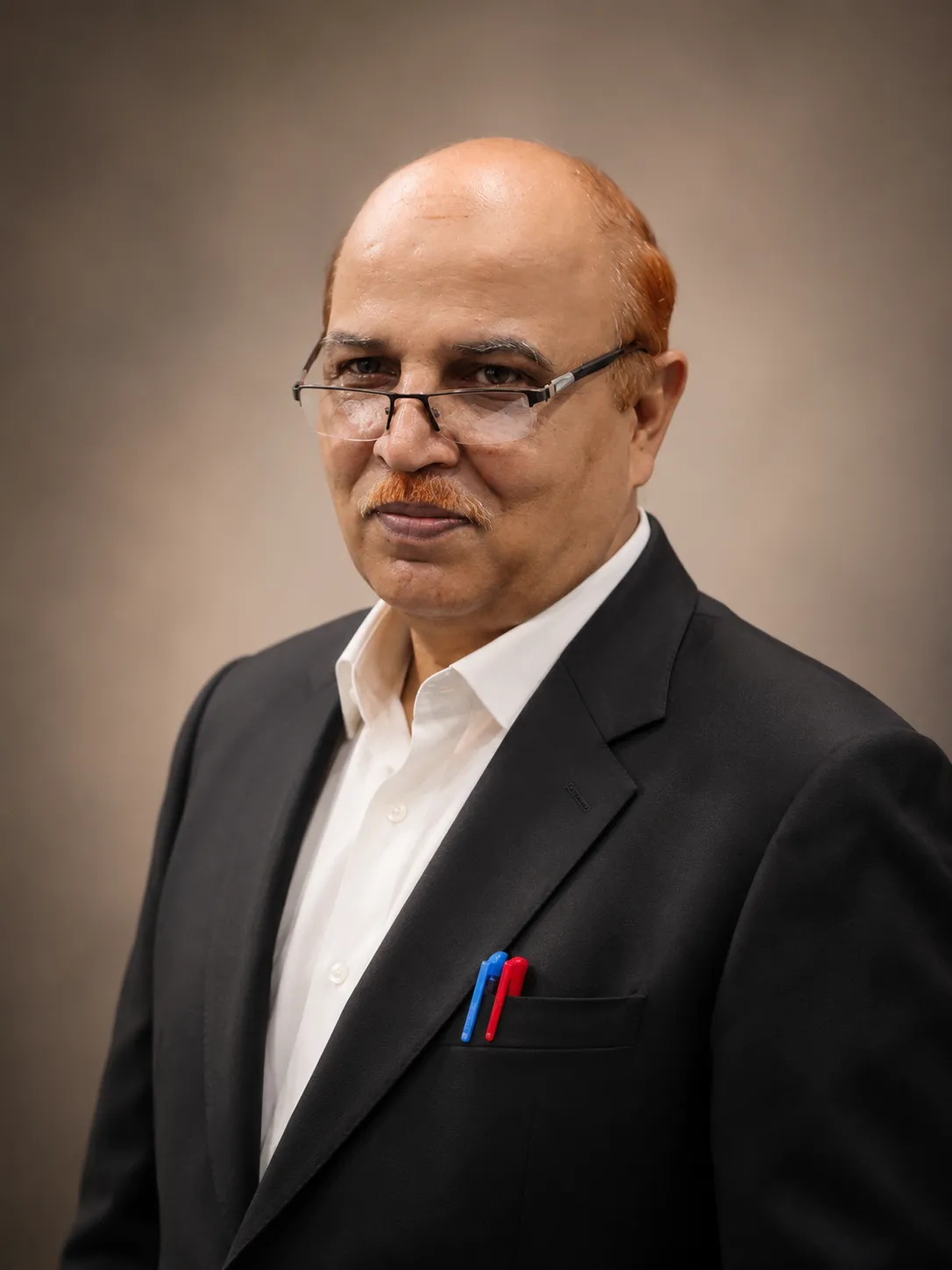
Subhash Ahlawat
Advocate
Civil litigation rewards the side that is better prepared. Whether the matter is a money-recovery suit, an injunction to protect your rights, or a dispute over a contract or agreement, success rests on careful pleadings, sound documentation and disciplined conduct of the trial.
The practice handles the full range of civil work under the Code of Civil Procedure — suits and counter-claims, applications under Order VII Rule 11, interim injunctions and stay, execution of decrees, and appeals. Matters are argued with an eye on both the law and the practical outcome that serves you best.
Where settlement is the wiser course, it is pursued candidly; where trial is necessary, it is conducted with thorough preparation. You receive an honest assessment of the merits, the likely timeline and the cost before any step is taken.
How a civil suit proceeds: a suit begins with the plaint and the documents that support it — and is frequently won or lost there. Then come summons, the written statement, framing of issues, evidence, arguments and decree. Interim applications — injunctions, attachment before judgment, rejection of a defective plaint under Order VII Rule 11 — can shape or even end the dispute long before trial. The chambers treats the pleading stage with the seriousness it deserves, because no advocacy at trial repairs a badly drafted plaint.
Commercial disputes of three lakh rupees and above fall under the Commercial Courts Act, which brings stricter timelines, mandatory disclosure and — unless urgent interim relief is needed — pre-institution mediation before the suit can be filed. Money claims founded on written instruments may also qualify for the summary procedure under Order XXXVII, where the defendant must obtain leave to defend at all. Choosing the right track at the outset often saves years.
On timelines: an interim injunction can be heard within days in a genuinely urgent case. A contested suit through trial commonly runs two to five years in the district courts depending on complexity and the court’s board; execution of a decree is a separate proceeding with its own timeline. You receive a realistic estimate after the papers are read — and limitation is checked first, because most money claims must be brought within three years.
The chambers conducts civil work before the Civil Judges and District & Sessions Courts at Faridabad, Gurugram, Palwal, Rohtak and Panipat, the Commercial Courts, and the Punjab & Haryana High Court in appeals and revisions. Local familiarity with the Faridabad civil boards — which courts move quickly, how applications are listed — is part of the service.
On fees: civil engagements are agreed in writing, either stage-wise (pleadings, trial, appeal) or for defined pieces of work such as drafting or due diligence. Court fees payable on the plaint — which scale with the value of the claim under the Court Fees Act — and process and copying expenses are distinct from counsel’s fee and are estimated for you at the outset, so the economics of the litigation are clear before it begins.
Suits and applications to recover money due under loans, contracts, invoices and dishonoured instruments.
Urgent interim and permanent injunctions to protect possession, property and contractual rights.
Suits to establish title, status or rights and to set aside void documents and transactions.
Enforcement and defence of agreements, breach claims and specific-performance matters.
Realising the fruits of a decree through attachment, sale and other execution proceedings.
First and second appeals, revisions and applications challenging adverse civil orders.
 general
Learn the complete legal remedy against rejection of plaint under Order VII Rule 11 CPC. Understand appeal, revision, re...
Read article general
Explore the purpose, grounds, scope, and legal impact of applications under Order VII Rule 11 CPC, focusing on rejection...
Read article general
Explore how Indian courts transfer civil suits under CPC Sections 22-25—grounds, step-by-step procedure, landmark cases,...
Read articleA few questions clients ask about this practice area. For your circumstances, request a consultation.
Timelines vary with the court and the complexity of the matter. After reviewing your papers we give you a realistic estimate — and pursue the most efficient route, including settlement where it serves you.
Yes — through a recovery suit or, where a dishonoured cheque is involved, proceedings under Section 138 of the Negotiable Instruments Act. We advise on the strongest available remedy.
An order of the court restraining a party from doing something — for example, interfering with your possession or property. Interim injunctions can be obtained urgently in appropriate cases.
Usually not. Your advocate appears on your behalf and you are required only when your evidence or presence is necessary. You are kept informed at every stage.
The District Courts at Faridabad, Gurugram, Palwal, Rohtak and Panipat, the Punjab & Haryana High Court, and the Supreme Court of India.
For commercial disputes within the Commercial Courts Act, pre-institution mediation is mandatory unless urgent interim relief is sought. Mediation done well is not a formality — a significant share of commercial matters settle there, faster and cheaper than trial. We represent clients through the mediation itself.
Generally three years from when the debt became due, though the starting point varies with the nature of the claim — and a written acknowledgment or part-payment can extend it. Limitation is the first thing checked at a consultation, because the strongest claim is worthless if it is time-barred.
A faster procedure under Order XXXVII CPC for money claims based on written contracts, bills of exchange or cheques. The defendant cannot defend as of right — leave of the court is required — which makes it a powerful route for clean documented claims.
Execution proceedings: attachment and sale of property, garnishee orders against bank accounts and debtors, and in appropriate cases arrest and detention of the judgment-debtor. A decree is not the end of the road; the chambers pursues execution with the same rigour as the suit.
Tell us a little about your civil law matter and the chambers will respond promptly.
Faridabad Chamber
Chamber No. 274, Lawyer's Chambers Building, District Court, Faridabad 121004
10:00 AM – 2:00 PM